Hydrolyzed collagen: what it is, typical doses, and how to choose it
Hydrolyzed collagen (also called collagen peptides) is collagen broken down through enzymatic hydrolysis into smaller protein fragments, which makes digestive absorption easier. It is one of the most studied supplements for joints, skin, and connective tissue.
What it is and how it works
Collagen is the most abundant structural protein in the human body: it is part of skin, bones, tendons, ligaments, and cartilage. Types I and III predominate in skin and connective tissue, while type II concentrates in joint cartilage.
When hydrolyzed, long collagen chains fragment into low-molecular-weight peptides. These peptides provide specific amino acids (glycine, proline, and hydroxyproline) the body uses as raw material to synthesize its own collagen.
Typical doses in clinical studies
Published clinical studies typically use 2.5 to 15 grams of hydrolyzed collagen daily, sustained for 8 to 24 weeks. For skin and nails, the most common protocols use 2.5 to 10 g per day; for joint support in active people, 10 to 15 g per day.
Consistency matters more than timing: collagen can be taken with any meal, dissolved in cold or hot liquids.
What to combine it with
Vitamin C is a cofactor of the enzymes that stabilize newly synthesized collagen (prolyl and lysyl hydroxylase), which is why many formulas include it or recommend taking it alongside the supplement.
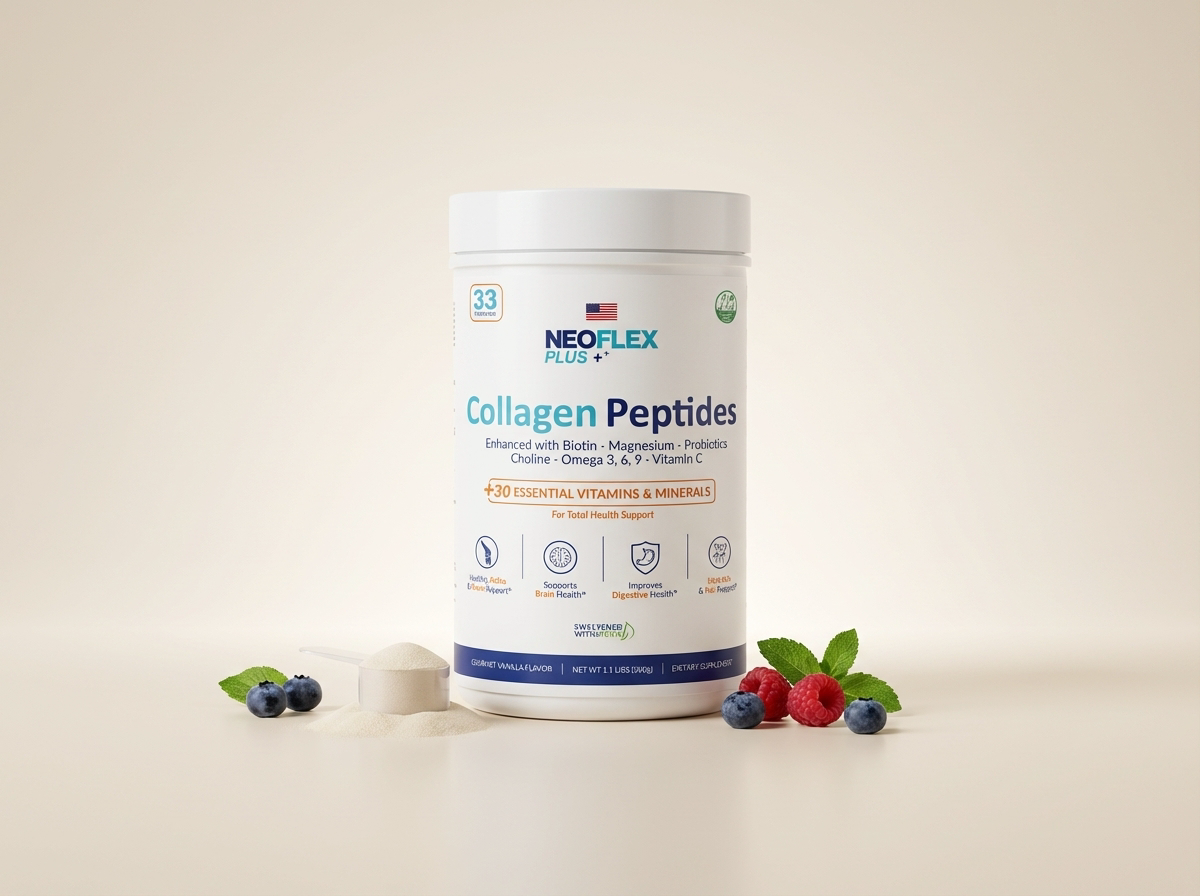
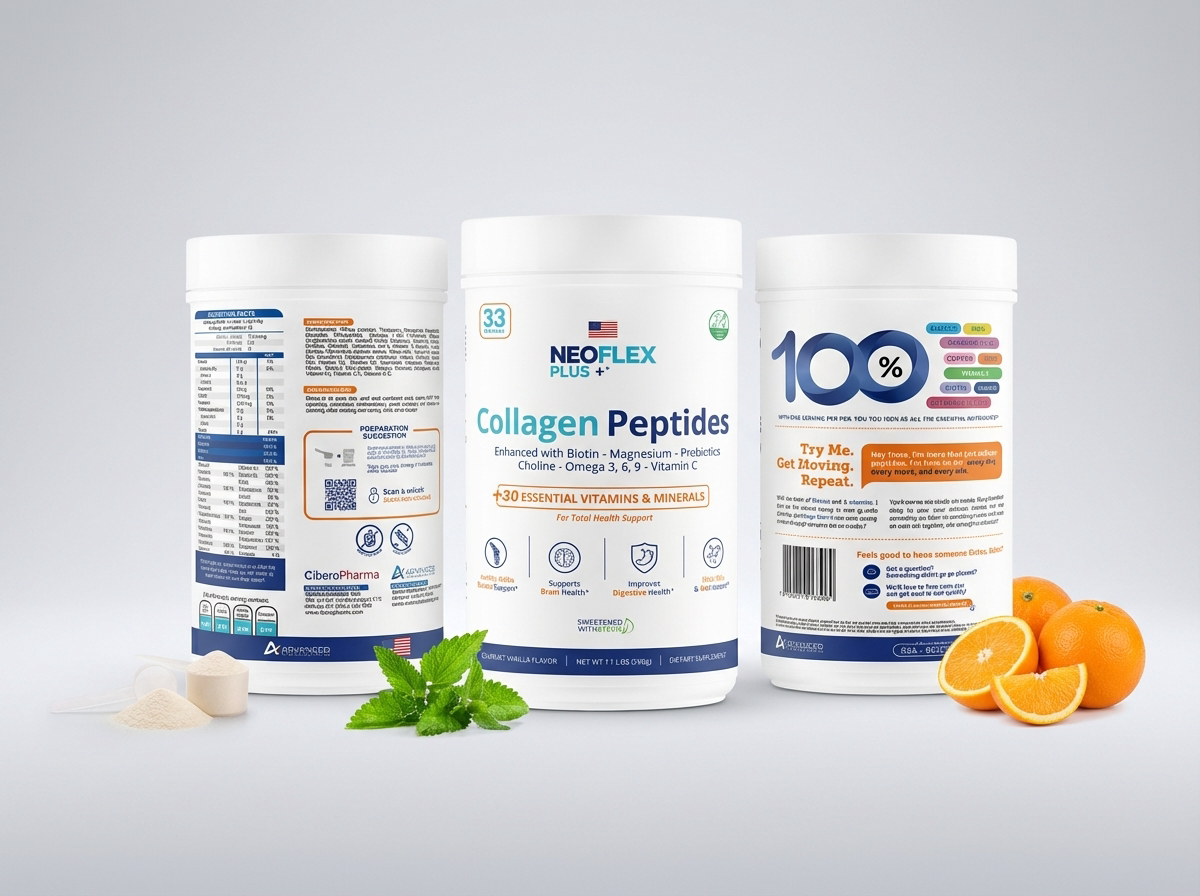
Formulas like Collagen Peptides gudd also add biotin, magnesium, probiotics, and omega 3-6-9 for comprehensive support, with INVIMA registration RSA-0012102-2021.
What to check before buying in Colombia
Verify the product holds a valid INVIMA sanitary registration (visible on the label and verifiable on the official INVIMA portal), that it declares grams of collagen per serving and the collagen type (I and III for skin and joints), and that it states servings per container so you can compare the real cost per dose.
Frequently asked questions
How long does collagen take to show results?
Clinical studies measure outcomes after 8 to 12 weeks of continuous daily intake. Collagen is a sustained-use supplement, not an immediate-effect one.
Does hydrolyzed collagen have side effects?
It is well tolerated in healthy adults at typical doses. People with allergies to the source (bovine, porcine, or marine), pregnant women, or people with medical conditions should consult their doctor first.
What is the difference between hydrolyzed collagen and gelatin?
Both derive from collagen, but gelatin keeps longer chains and gels; hydrolysate is fragmented into cold-soluble peptides with more efficient absorption.
Related products
This content is informational and does not replace professional medical advice. Dietary supplements are not medicines and do not substitute a balanced diet.